
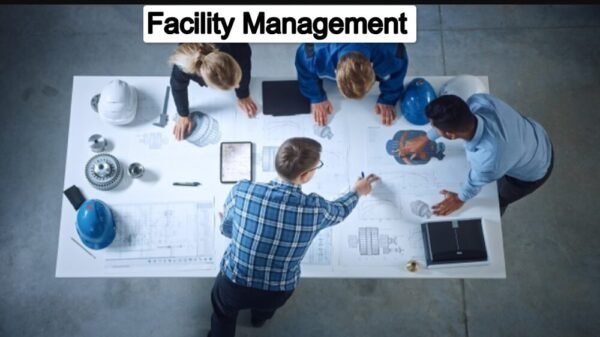
Facility management plays an essential part in the efficient functioning of buildings, infrastructure and other services in organizations. It covers a broad range of fields, including cleaning, maintenance, security and space management to maximize efficiency and functionality. While facilities management provides a myriad of benefits for businesses and organizations but it also comes with many challenges. This article outlines the benefits and drawbacks of managing facilities.
What is Facility Management?
Facility management is the coordination of processes, people and technology to preserve and enhance the efficiency in physical areas. It makes sure that all infrastructure, services and structures function seamlessly to facilitate the primary functions of the organization. This could include buildings for offices schools, hospitals factories, residential areas.
Advantages of Facility Management
- Improved Efficiency
Effective management of facilities ensures that all equipment like lighting, HVAC, and IT infrastructure are maintained properly, resulting in maximum performance and less downtime. - Cost Savings
By proactively implementing maintenance as well as energy and environmental management facilities management can lower the operational expenses. It reduces the need for repair costs that are not anticipated and can extend the life of assets. - Enhanced Employee Productivity
A well-run facility offers an environment that is safe and comfortable for employees, increasing the morale of employees and boosting productivity. - Conformity to Regulations
Facility managers are in charge of ensuring compliance with safety, health and environmental regulations which reduces the chance of legal issues or fines. - Asset Management
Facility management tracks assets and schedules maintenance on a regular basis as well as optimizes the allocation of resources to ensure the longevity of assets and the efficiency. - Improved Space Utilization
Facility management helps organizations maximize space utilization through efficient plan and distribution, thus reducing wasted space and improving efficiency. - Risk Mitigation
Facility managers are able to identify possible hazards, such as security or fire risks and then take measures to reduce them, while ensuring security and continuity. - Sustainability
Modern facility management is based on sustainable practices that include energy efficiency, reducing waste as well as the utilization of environmentally friendly materials. - Customer Satisfaction
Businesses that depend on visits from customers (e.g. retail stores or hotels) An efficient facility can improve customer experience increasing the level of satisfaction and retention.
Disadvantages of Facility Management
- High Initial Costs
The process of setting up a solid facilities management program, such as employing skilled staff and investing in the latest technology can be costly. - Complexity
The management of large facilities with a variety of requirements requires coordination and expertise that can be difficult for those who have no prior experience. - Dependence on Technology
Modern facility management is heavily reliant on technology. Any problems with technology or malfunctions could cause disruption to the operation. - Time-Consuming
Implementing and maintaining processes for managing facilities can be a time-consuming process, particularly in the beginning stages. - Resistance to Change
Management or employees may be resistant to the adoption of new practices in facility management or new technologies, which can hinder their efficiency. - Risk of Overdependence on Vendors
The outsourcing of facility management to outside providers can result in dependence that makes it hard to change providers or resolve problems on your own. - Privacy Concerns
Facilities management systems, especially ones with sophisticated surveillance tools or monitoring techniques may cause privacy issues for guests and employees. - Continuous Training Requirements
Staff and managers of facilities require regular training to keep pace with the latest developments in technology and regulations, which can increase the operational expenses. - Environmental Impact
Facilities that are poorly managed can lead to waste of resources along with environmental degrading, thereby preventing the sustainability objectives.
Comparison Table: Advantages vs. Disadvantages
| Advantages | Disadvantages |
|---|---|
| Improvement in operational efficiency | The initial setup costs are expensive. |
| Reducing operational costs through maintenance | Complexity of managing large facilities |
| Increases productivity of employees | A heavy reliance on technology |
| Make sure that regulations are in compliance | It can take a long time to implement |
| Maximizes asset utilization and extends their lifespan | In the company |
| Enhances space utilization | The risk of being too dependent on vendors |
| Assists in reducing risks and ensuring security | Privacy concerns due to monitoring systems |
| Promotes sustainability | Continuous training requirements |
| Improves customer satisfaction | Potential environmental impacts if not properly managed |
Key Components of Facility Management
- Maintenance and repairs ensures that the infrastructure and equipment are in good working order and efficient.
- Security and Safety Controls access monitoring, access control, and emergency preparation.
- Energy Management Maximizes consumption of electricity to save money and improve sustainability.
- Space Management Space Management allocates and uses space efficiently to meet requirements of the organization.
- Compliance Management Conforms with legal standards for health, environmental, and legal standards.
- Technology Integration Utilizes sophisticated tools such as Building Management Systems (BMS) to oversee and control facilities.
How Facility Management Impacts Businesses
- Operational Continuity Through proactively addressing issues the facility management reduces interruptions and ensures smooth operation.
- Image of the Brand: A clean, secure, and well-maintained facility is a positive reflection on a business, enhancing its image.
- Employment Retention An inviting and efficient workspace improves job satisfaction and decreases turnover among employees.
- Save Money Over the Long Term: Proper asset and management of energy can result in significant savings over the course of time.
Conclusion
Facility management is an essential element of modern-day organizations which ensures efficient maintenance and operation of the physical space. Its benefits, including savings in costs, risk mitigation and increased productivity make it an investment worth the cost. However, issues such as complex, high initial costs and dependence on technology have to be judiciously handled to reap the benefits.
Utilizing best practices, educating employees and implementing the latest technologies firms can enhance their facilities management procedures. In the end, a well-planned facility management plan can contribute to the long-term sustainability and success of an enterprise.